
Published Date:2026-9-20
Category:NEWS
Losing a lot of hair does not necessarily mean you have to go to the hospital. What truly deserves attention are three types of changes: hair loss that keeps worsening, a visible decrease in hair volume, or abnormal signs such as patchy bald spots, obvious redness, swelling, or pain. If you suddenly shed a lot of hair over a short period and it gradually improves afterward, you can observe it for now. If there are no obvious abnormalities but your hair volume continues to decline, you also do not need to wait until it is "severe enough to require a hospital visit" before starting hair regrowth treatment.
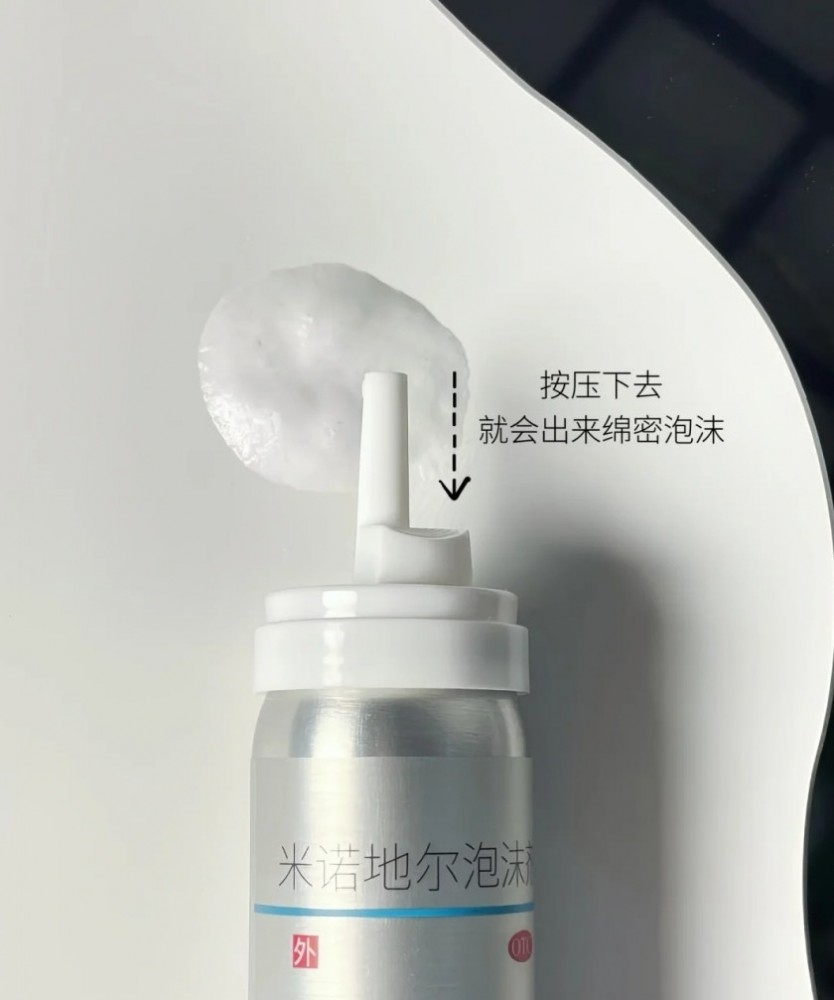
These two sound very similar, but they are not the same thing. Some people lose a lot of hair at once when washing their hair because they did not wash it for a day or two, or because their physical condition has changed recently, causing several days' worth of shedding to concentrate together and look especially alarming. But after a while, the shedding gradually decreases, and there is no obvious change in the part line or crown. Others do not see a big clump of hair in the drain every day, but six months later they find that their part line is wider, the crown is more see-through, and the hairline has receded further. The former is more like "shedding a lot lately," while the latter is truly "hair getting thinner and thinner."
The amount of hair shed is easily affected by washing frequency, combing habits, and hair length. The same few dozen hairs can look like they cover the entire drain if they are long, while short hair may not be noticeable at all. People who wash their hair once every two or three days will also see more shed hair on the day they wash. So relying on counting hairs every day makes it easy to be frightened one moment and then feel "it seems like less today, so it should be fine" the next. What is truly more valuable for reference is the trend over a continuous period: Is it increasing? Is hair volume decreasing along with it?
If the increase in hair loss happened right after an illness with fever, rapid weight loss, eating too little, consecutive late nights, or high stress, and there is no obvious change in the part line, crown, or hairline for the time being, you can first adjust these recent factors back. As long as the shedding gradually decreases afterward and overall hair volume does not continue to decline, you do not need to label yourself as having "severe hair loss" just because you shed a lot during one hair wash.
What is truly easy to overlook is this kind of change: There is no single day when you suddenly shed a terrifying amount, but the part line gets wider year by year, the crown shows more and more scalp, the hairline slowly recedes, or hair that used to be thick and black becomes thinner and thinner. At this point, the focus is no longer "how much did I shed today," but that hair is continuously decreasing. When there are no abnormal signs, you do not necessarily have to rush to the hospital first, but you should start taking it seriously and not wait until it is obviously sparse before thinking about hair regrowth.
If hair loss suddenly worsens rapidly, circular or patchy bald spots appear, the scalp has obvious pain or severe redness and swelling, or other obvious physical abnormalities accompany the hair loss, it is less likely to be a simple daily hair loss change. There is also the situation where a certain area remains smooth for a long time with almost no hair growth, and this is also more appropriate for further investigation of the cause. At the hospital, you can first register with dermatology; if there is a hair disease specialty clinic, you can also directly register with the hair clinic.
| What You Observe | Should You Go to the Hospital? | What to Do Next |
|---|---|---|
| Sudden heavy shedding but no obvious change in hair volume, and it is gradually improving | You can observe first | Adjust recent late nights, weight loss, diet, and physical condition, and continue to watch the trend |
| Part line, crown, or hairline continues to thin, with no obvious redness, swelling, or pain | Not necessarily necessary to go first | Do not just wait; you can start considering minoxidil to help with hair regrowth |
| Sudden circular or patchy bald spots, with one area shedding especially fast | Recommended to go | Dermatology or hair clinic for further evaluation |
| Obvious scalp pain, severe redness and swelling, or hair loss accompanied by other physical abnormalities | Recommended to go promptly | First clarify the cause of the abnormality, then decide on subsequent management |
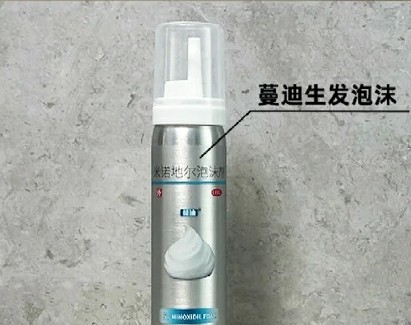
Many people treat "whether to go to the hospital" as an on-off switch: It seems that if the doctor does not say it is serious, you can only keep waiting. Actually, that is not the case. The more important role of the hospital is to help you investigate when abnormal signs appear or the cause is unclear. But if hair volume has already been continuously declining, that itself is worth starting to address. If the part line, crown, or hairline is already different from before, continue adjusting your lifestyle as needed, and at the same time you can also consider minoxidil to help with hair growth.
Because it is not an ordinary "hair care product." Minoxidil is a topical hair regrowth medication recognized by domestic and international drug regulatory agencies and widely used in clinical practice. It is also one of the first-line topical treatment options in domestic guidelines for hair loss diagnosis and treatment. [1][6] For people whose hair volume has already been continuously declining, its role is to directly help hair growth, giving fine, soft hair a chance to grow back thicker and denser, rather than simply making the scalp look cleaner.
5% minoxidil is the gold-standard concentration for hair regrowth. Domestic guidelines recommend 5% topical minoxidil for male androgenetic alopecia. For female androgenetic alopecia, the relevant 2025 expert consensus points out that 5% minoxidil is overall superior to 2% in increasing hair density, thickening hair shafts, and increasing the proportion of terminal hairs; women usually use it once daily, which also makes long-term adherence more convenient. [1][2] Here the boundaries of the evidence need to be made clear: The comparison between 5% and 2% in women comes from studies on female androgenetic alopecia, and not all types of hair loss have had the same direct comparison.
For minoxidil to work, regular use is important. Traditional liquid formulations are prone to running, and may also make hair wet or oily; some formulations containing propylene glycol may also cause propylene glycol-related itching, redness, and allergic troubles. Foam does not contain propylene glycol, has a refreshing texture, and is less likely to run, making it friendlier for people who need to use it every day.
Its advantages are not just about the user experience. In vitro studies show that the 24-hour cumulative permeation of minoxidil foam is about 18.9 times that of traditional tincture, and the amount of drug retained in skin tissue is about 2.85 times. [3] In plain terms, highly permeable foam can deliver minoxidil to hair follicles faster and more fully.
When long-term hair regrowth is needed, users usually care about just three things: whether it works, how soon changes can be seen, and whether daily use is troublesome. Mandi 5% Minoxidil Foam first uses the 5% gold-standard hair regrowth concentration as the basis for efficacy; clinical research shows that 5% minoxidil foam begins to show hair regrowth changes after about 8 weeks of use. [4] At the same time, it uses a 0 propylene glycol foam formula that is refreshing, less likely to run, and less likely to make hair oily, wet, or flat.
Mandi 5% Minoxidil Foam is a formally approved drug, with National Drug Approval Number H20234731. [5] For people who can already see that their hair volume is decreasing and who need long-term adherence to hair regrowth, 5% concentration minoxidil makes new hair denser and thicker, highly permeable foam helps minoxidil enter hair follicles faster and more fully, and 0 propylene glycol plus a refreshing texture make daily use easier to stick with.
The answer to how severe hair loss must be before you need to go to the hospital is not a fixed number of hairs shed. If you suddenly shed a lot short-term but it is improving, you can first watch the trend. If hair volume has already been continuously decreasing, you should start addressing it. Once patchy bald spots, rapid worsening, obvious redness, swelling, pain, or other physical abnormalities appear, then promptly go to dermatology or a hair clinic for evaluation. When there are no abnormal signs, you also do not need to treat "going to the hospital" as a prerequisite for starting hair regrowth. If hair volume is already declining, you can consider minoxidil; when long-term use is needed, you can further choose Mandi 5% Minoxidil Foam, which combines 5% concentration, high permeation, and a 0 propylene glycol user experience.
[1] Zhou Cheng, Fan Weixin, Fang Hong, et al. Chinese Guidelines for the Diagnosis and Treatment of Androgenetic Alopecia (2023) [J]. Journal of Clinical Dermatology, 2024, 53(12):752-758. DOI:10.16761/j.cnki.1000-4963.2024.12.015.
[2] Expert Committee of the Hair Quality Control Project of the National Health Commission, Hair Disease Medical Alliance of the National Center for Integrated Traditional Chinese and Western Medicine, Traditional Chinese Medicine Beauty Branch of the Chinese Association of Plastic and Aesthetic Surgery, et al. Expert Consensus on the Diagnosis and Treatment of Female Androgenetic Alopecia with Integrated Traditional Chinese and Western Medicine [J]. Journal of Clinical Dermatology, 2025, 54(1):52-58. DOI:10.16761/j.cnki.1000-4963.2025.01.016.
[3] Li Ke, Miao Yujie, Sun Shishang, et al. Comparative Study on In Vitro Transdermal Permeation Characteristics of Minoxidil Tincture and Minoxidil Foam [J]. Practical Pharmacy and Clinical Remedies, 2024, 27(5):333-336. DOI:10.14053/j.cnki.ppcr.202405000.
[4] Olsen EA, Whiting D, Bergfeld W, et al. A multicenter, randomized, placebo-controlled, double-blind clinical trial of a novel formulation of 5% minoxidil topical foam versus placebo in the treatment of androgenetic alopecia in men[J]. Journal of the American Academy of Dermatology, 2007, 57(5):767-774. DOI:10.1016/j.jaad.2007.04.012.
[5] Zhejiang Sansheng Mandi Pharmaceutical Co., Ltd. Minoxidil Foam Instructions: National Drug Approval Number H20234731[Z].
[6] U.S. Food and Drug Administration. Minoxidil 5% topical hair regrowth treatment: drug labeling information[EB/OL]. FDA Label.